
Positioning & Safety
Crane positioning, anti-collision and safety sensor systems
Sensors are where crane accuracy and crane safety now come from. We represent manufacturers of positioning, anti-collision and safety sensing equipment in Canada — handling technical selection, certification questions and the distributor and integrator channel that installs them.
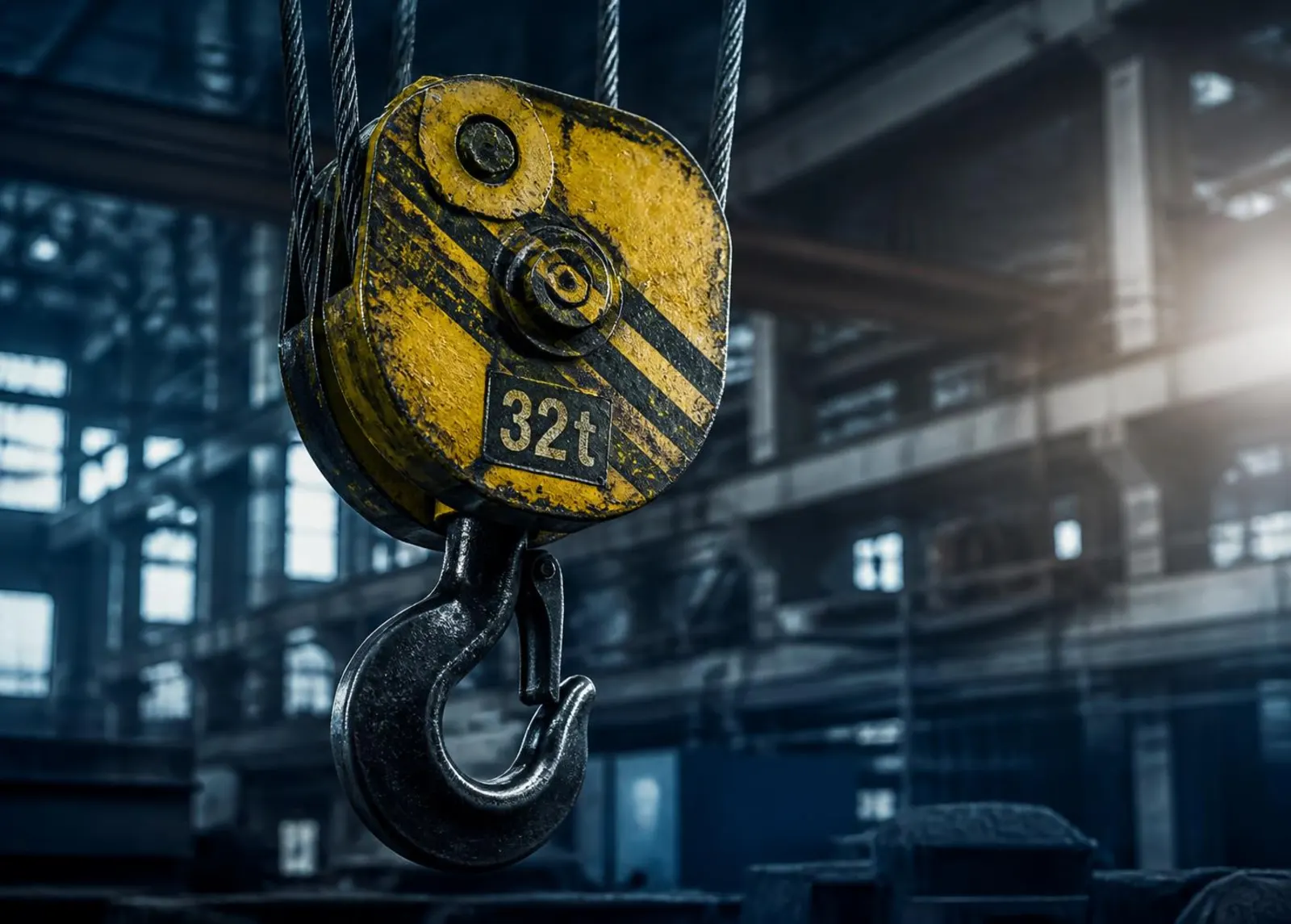
System options
What can be added to an overhead crane
Positioning and safety sensing is the fastest-growing option category on Canadian cranes, and most of it retrofits onto equipment that is otherwise sound.
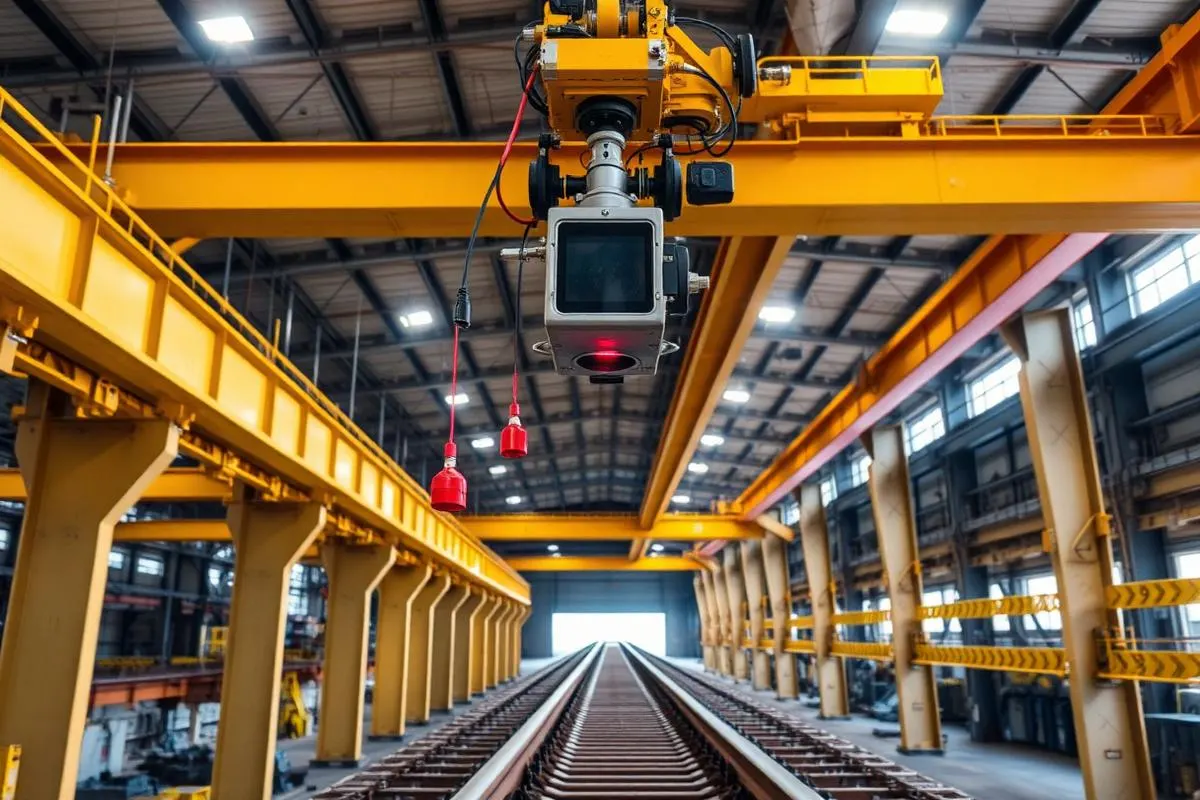
Laser distance measurement
Long-range laser rangefinders on the bridge and trolley give absolute travel position straight to the VFD, for repeatable target positioning and spotting that does not depend on wheel rotation.
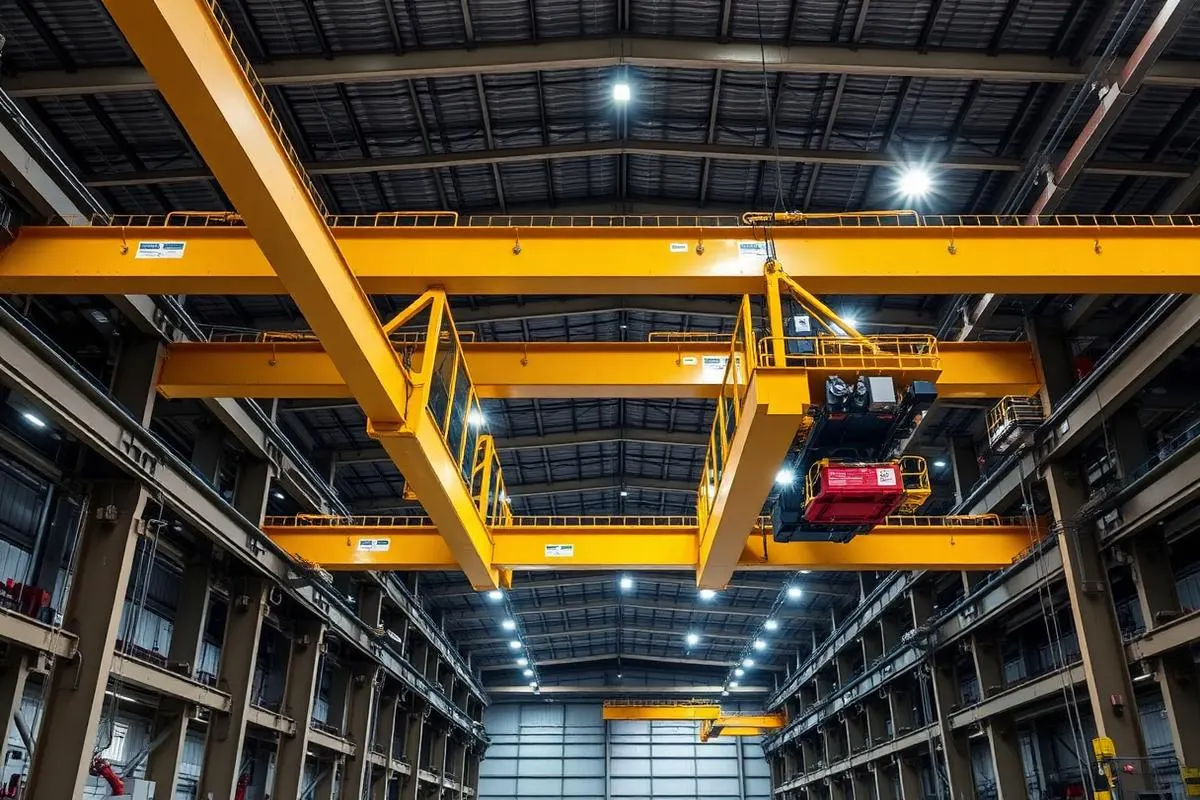
Anti-collision and crane spacing
Optical distance sensors between cranes sharing a runway slow travel as the gap closes and stop at a preset minimum, with warn and stop zones set to real braking distance under load.
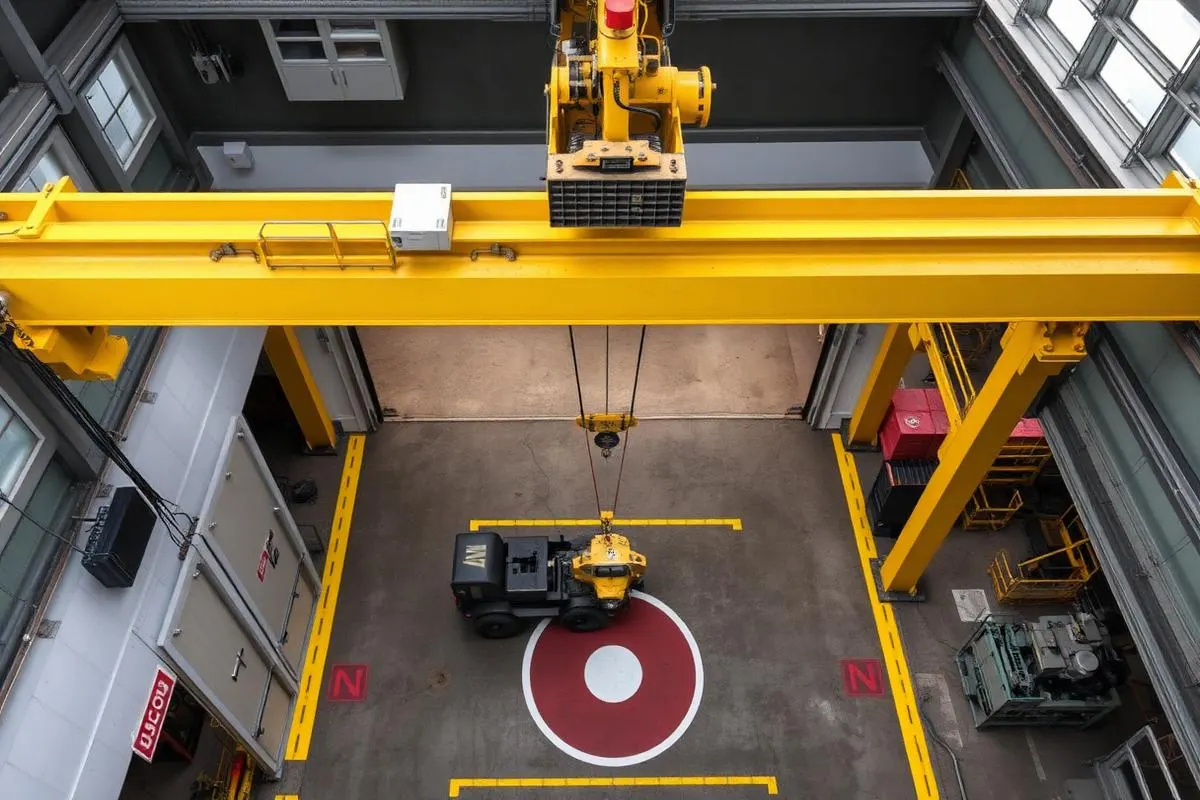
Zoning and no-fly areas
Position-based lockouts keep the hook out of restricted space — over machines, pits, offices and maintenance platforms — with automatic slowdown near walls, end stops and low-headroom areas.
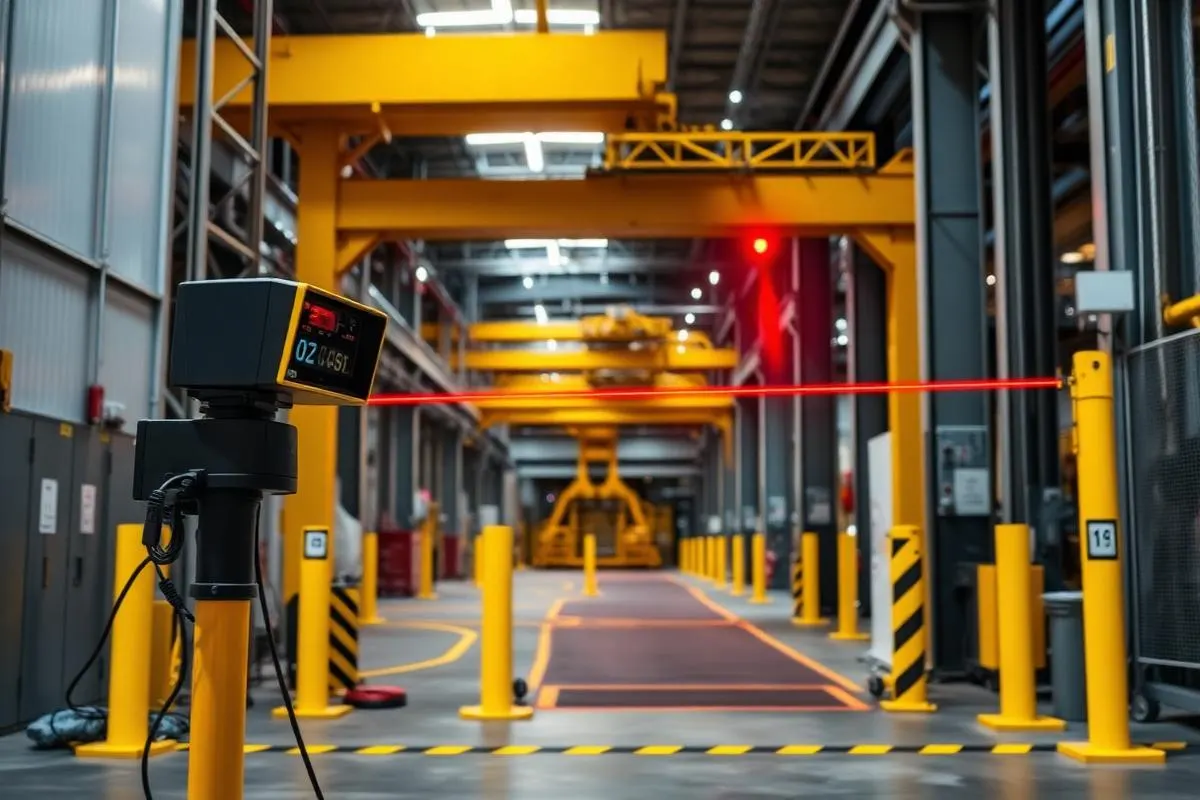
Safety scanners and light curtains
Floor-level personnel protection at load zones, aisle entries and automated bays, tied into the crane stop circuit so motion cannot continue while someone is in the protected field.
Sensing and feedback
Position, motion and load feedback
Beyond travel position, the same sensor architecture carries sway, hook height, skew and vision data back to the drive and to the plant network.
- Absolute encoders and position systems for trolley and hoist axes
- Optical data links along the runway for interference-free feedback in dusty mills
- Anti-sway and load-position sensing feeding damped travel back to the drive
- Hook height and two-block sensing with programmable upper and lower limits
- Hook-mounted camera to the cab or radio transmitter display for blind lifts
- Rail-end and runway-limit sensing with staged slowdown before hard stops
- Skew and square-travel detection on wide-span and gantry cranes
- Position data exported to the plant PLC or WMS for automated storage cycles
Safety architecture
How the safety side is built
Sensors only count if the stop circuit behind them is rated, monitored and documented. This is the layer Canadian inspectors look at first.
- Safety controllers and relays wired to the performance level the risk assessment demands
- Dual-channel stop circuits with monitored feedback from contactors and brakes
- Gate, ladder and walkway interlocks that park the crane before access
- Maintenance and lock-out modes with restricted, supervised movement
- Diagnostics and fault history readable at the panel instead of by trial and error
- Integration with radio remote stop circuits and pendant backup control
- Warning lights, sounders and floor-projected hazard zones under the load
- Event logging for incident review and CSA B167 inspection records
Supply
Where these come from
Positioning and safety sensing on cranes is typically sourced from industrial sensor manufacturers, while packaged anti-collision, zoning and crane-automation systems come from specialist system builders and from crane control makers that integrate the sensors into the drive. Arvanta works with manufacturers in these categories in Canada and can match a positioning or safety package to the crane, the control platform already installed and the distributor or integrator who will commission it.
Canada
Certification and market realities
Sensor and safety packages are accepted or rejected on paperwork as much as performance. These four points decide whether an installation passes.
- Control assemblies need CSA certification or a field evaluation before an inspector will accept the installation.
- Safety-rated sensors and controllers must carry functional safety ratings that match the performance level in the plant's risk assessment.
- CSA B167 sets the operation, inspection and maintenance expectations the sensor package has to support with usable records.
- English documentation, wiring drawings and Canadian spares availability are routine purchasing conditions, not nice-to-haves.
FAQ
Positioning and safety systems: common questions
- What does a crane positioning system do?
- A crane positioning system continuously measures where the bridge and trolley are on the runway and feeds that position back to the drive. It enables repeatable target positioning, automatic slowdowns near end stops, zone lockouts over restricted areas and accurate spotting without the operator inching by eye.
- Laser distance measurement or encoders — which is better for crane position?
- Laser rangefinders give absolute position over long runways without a mechanical drive train, and they tolerate wheel slip, which is common on steel-on-steel travel. Encoders and absolute position systems are cheaper and well suited to short travel or trolley axes. Many plants use lasers on the bridge and encoders on the trolley and hoist.
- How does crane anti-collision work on a shared runway?
- Distance sensors on facing end trucks measure the gap between cranes in real time. As the gap closes the system first reduces travel speed, then commands a stop at a preset minimum distance, with the warn and stop distances set to the crane's braking distance at full speed and load.
- Can zoning and no-fly areas be retrofitted to an existing crane?
- Yes. Zoning is a function of the position feedback plus the control panel logic, so a laser or encoder can be added to an existing crane and wired into the drive or a safety controller. VFD cranes retrofit most cleanly because speed reduction and stop commands are already available in software.
- Do safety scanners replace physical guarding under a crane?
- Not automatically. Area scanners and light curtains are one layer of a risk assessment; whether they replace or supplement fencing depends on the hazard, the required performance level and the provincial regulator's view. They are strongest at aisle entries, automated bays and load drop zones where fixed guarding would block production.
- What certification do these systems need in Canada?
- Control assemblies must be CSA certified or field evaluated before an inspector signs off, safety-rated sensors and controllers must carry functional safety ratings matched to the performance level in the risk assessment, and CSA B167 governs crane operation, inspection and maintenance. English documentation and locally available spares are standard purchasing requirements.
Bringing a crane sensor or safety product into Canada?
We handle CSA and functional-safety groundwork, distributor and integrator recruitment, and the technical representation that gets your system specified into the crane package.